Image
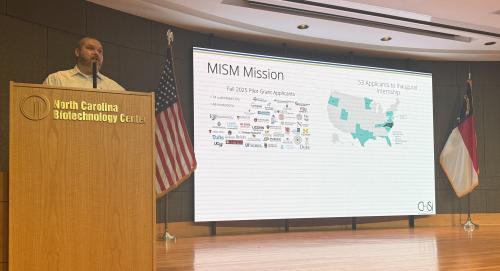
On May 13-14th, the 2026 joint retreat of the NIH-funded Multiscale Immune Systems Modeling (MISM) Center of Excellence and the Center for Human Systems Immunology (CHSI) convened a multidisciplinary community of experimentalists, computational scientists, and trainees at the North Carolina Biotechnology Center for two days of focused scientific exchange and collaboration. The program integrated scientific talks, trainee-led sessions, and structured networking to advance a shared goal: developing predictive, multiscale approaches to immune function and disease.
In opening remarks, MISM and CHSI Director Dr. R. Keith Reeves, Ph.D., described how CHSI brings experimental immunology, clinical research, and quantitative modeling into the same conversation. He reviewed how MISM’s initial funding grew out of CHSI faculty efforts and returned to a consistent theme for the retreat: the modeling work depends on a strong experimental footing. Pointing to ongoing advances in immunological assays, he noted the importance of mechanistic grounding for interpreting immune responses. MISM and CHSI Director Dr. Cliburn Chan, Ph.D., followed with an overview of MISM's past, present, and future—tracing the center’s development into a national hub and highlighting recent milestones, including the establishment of collaborative infrastructure, training programs, and national partnerships. He also previewed priorities such as digital twins, synthetic cohorts, and the standardization of modeling as a core research infrastructure for infectious and immune-mediated disease.
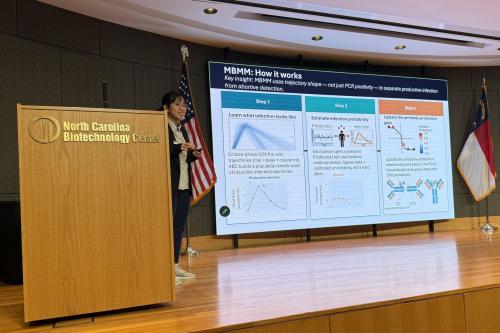
Scientific sessions across both days reflected this shared vision, with coordinated presentations spanning all three MISM research projects (RPs). Early-stage investigator (ESI) talks included work on B-cell receptor repertoire modeling (Research Project 1), lymph node–on-chip systems for HIV reactivation (Research Project 2), and mechanistic Bayesian models for identifying correlates of protection (Research Project 3). CHSI investigators added perspectives on natural killer cell transcriptional responses, Fc receptor biology, and cross-species immune cell mapping. These sessions demonstrated how tightly coupled experimental and computational approaches can generate predictive insight across biological scales, from molecular interactions to population-level outcomes.
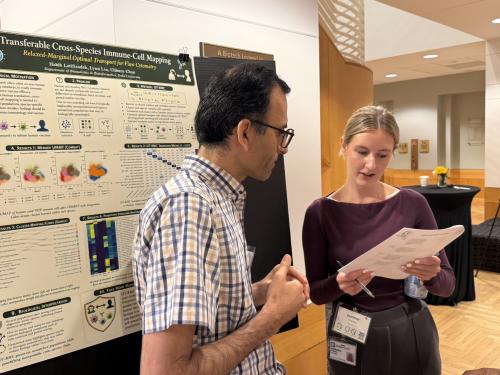
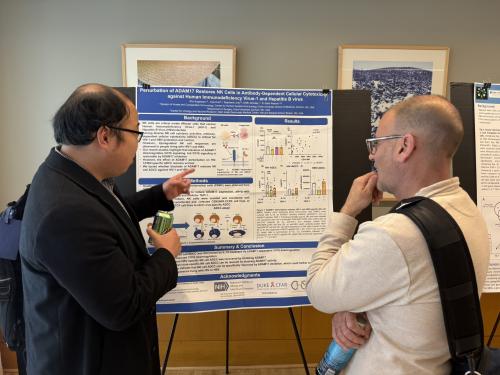
A central focus of the program was trainee visibility and cross-disciplinary exchange. The poster session and flash talks were positioned as key scientific anchors, while a team-based Poster Trivia challenge added structure and energy. Teams dug into posters to find specific mechanistic and methodological details, which sparked deeper conversations across topics ranging from immune cell signaling and engineering to Gaussian process models and antibody repertoire analysis.
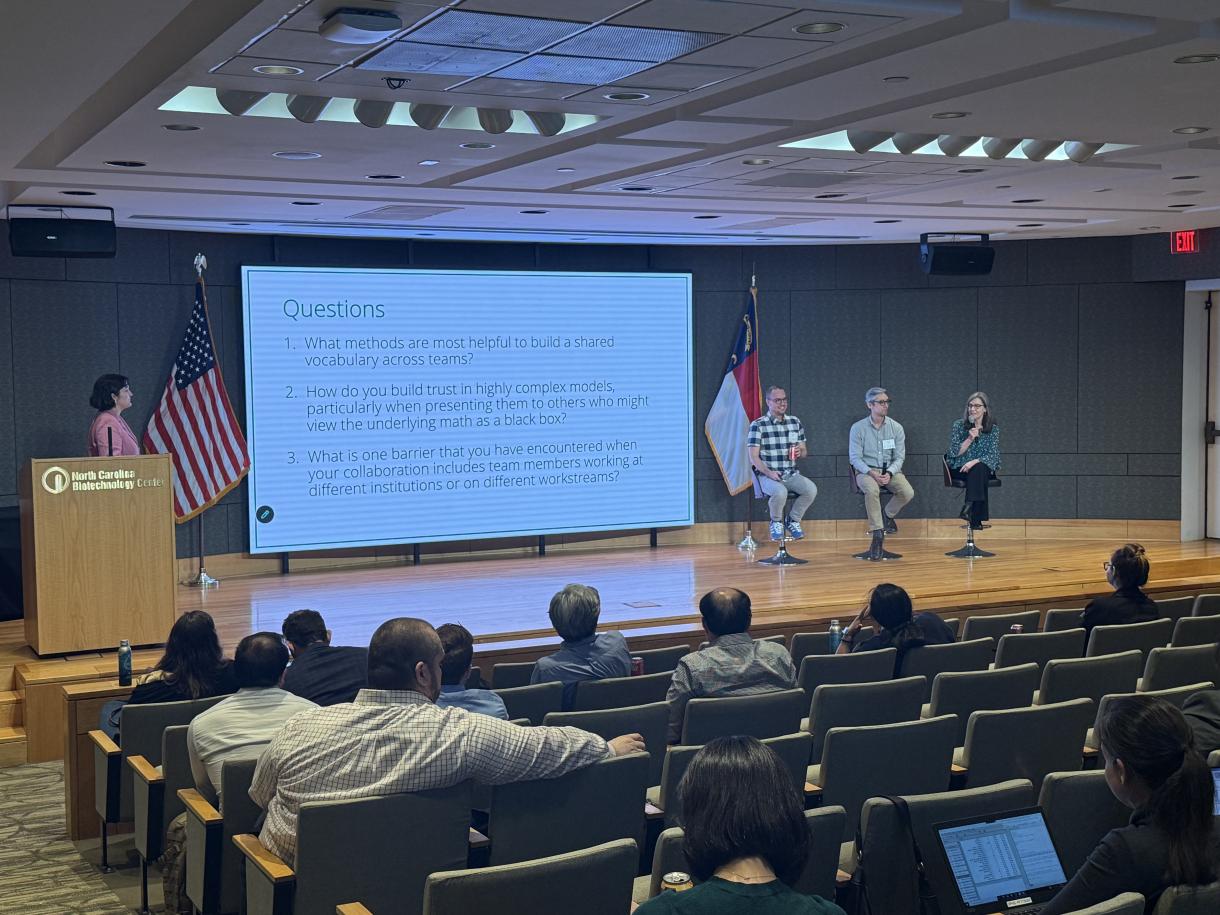
The retreat also made time for collaboration and team formation. Research Speed Dating paired participants for short, focused conversations about research interests and collaboration opportunities. The Research Café continued those conversations in small groups, addressing key challenges such as bridging scales in immunology, defining in silico New Approach Methods (NAMs), and developing standards for model reuse and evaluation. Perhaps the highlight of the retreat’s agenda was the Team Science panel, moderated by Melanie Sadecki (Biomathematics Ph.D. student, North Carolina State University), and featuring MISM RP leadership (Drs. Georgia Tomaras, Ph.D. – RP1, Kevin Flores, Ph.D. - RP2, and Bruce Rogers, Ph.D. – RP3). The discussion further explored practical strategies for interdisciplinary collaboration, including building shared language and aligning experimental and computational approaches.
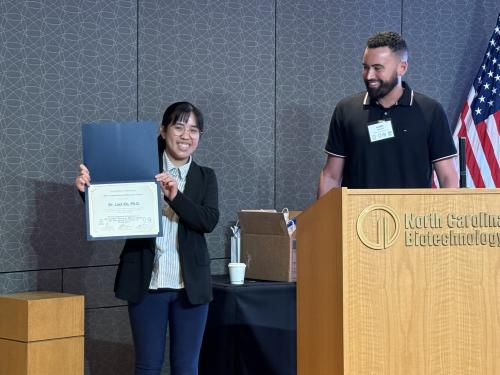
The retreat concluded with an awards ceremony recognizing both scientific excellence and community contributions. Recipients included Sho Sugawara, Ph.D. (Best Experimental Research Poster), Linh Do, Ph.D. (Best Computational Research Poster), Grace McLaughlin, Ph.D. and Lacey Rende (MISM Community Outreach), Nami Wada (MISM Leadership), and Griffin Woolley (CHSI Leadership), reflecting the program’s commitment to both discovery and collaborative culture.
A closing address from CHSI Director and MISM RP1 Co-lead Dr. Georgia Tomaras, Ph.D., encouraged attendees to keep the momentum going after the retreat by following up on new connections and carrying ideas forward into cross-disciplinary projects and training opportunities.
Overall, the 2026 retreat brought experimental and computational researchers together around shared scientific priorities and strengthened the relationships that make predictive, multiscale immunology possible across MISM and CHSI.
To the retreat attendees and the MISM and CHSI communities at large, CHSI VOICES issues a call for engagement; new members, ideas, and suggestions are welcome! If interested, please contact chsi-voices@duke.edu.
Interested in joining the MISM community? Sign up here!
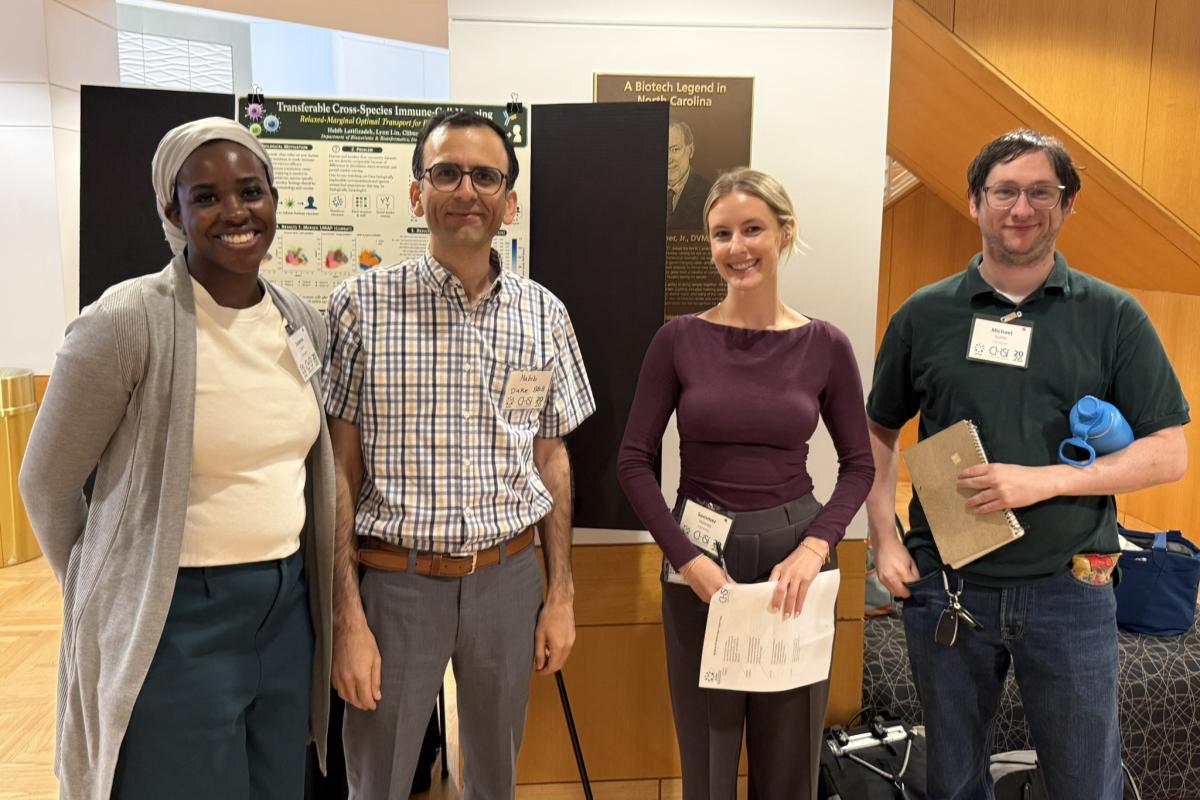
Presenter, Habib Latifizadeh with attendees, Savanna Toure, Sommer Holmes and Michael Spiller.
1 of 5
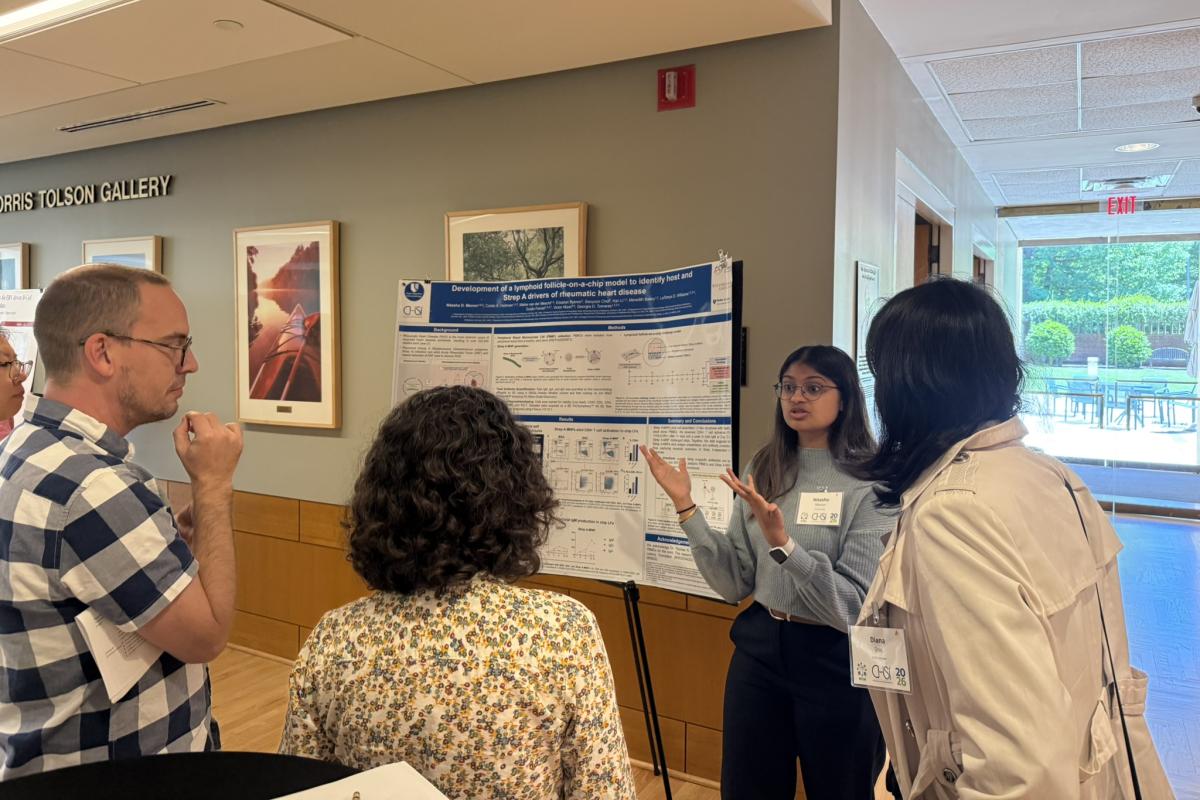
Nitasha Menon presents research to Bruce Rogers, Veronica Ciocanel and Diana Dou.
1 of 5
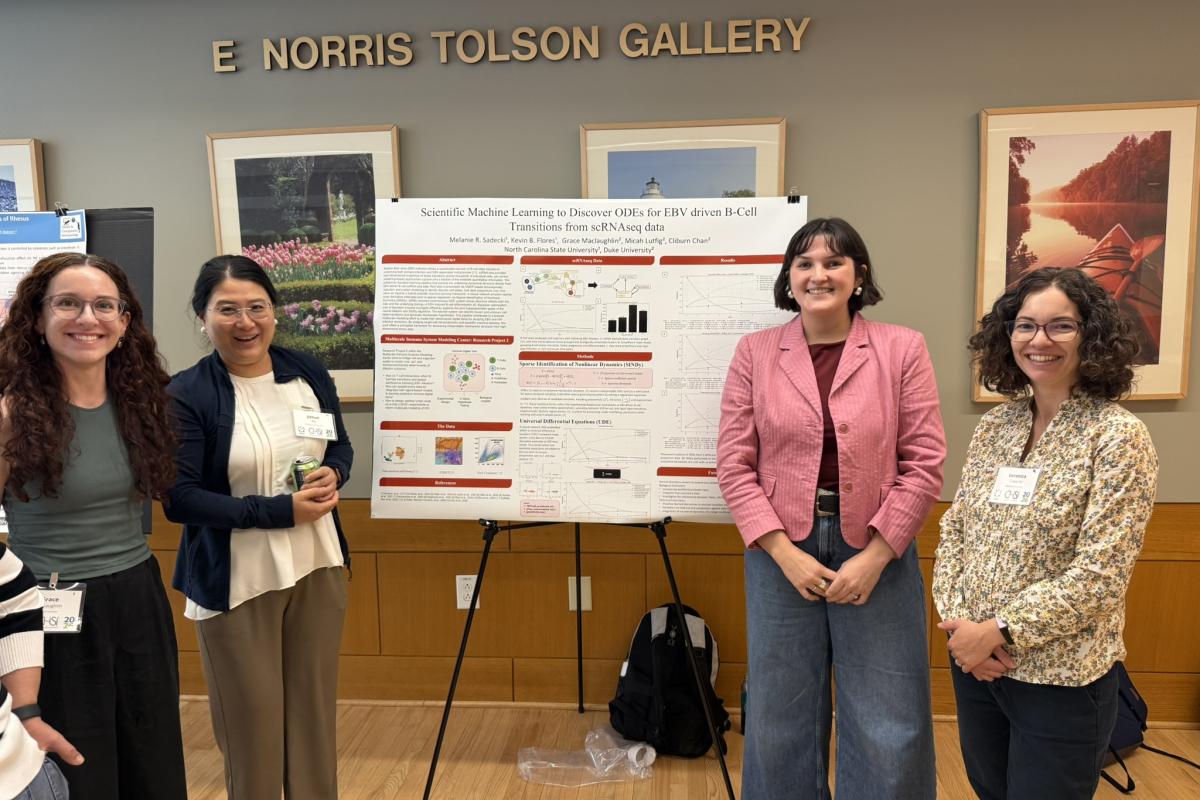
Melanie Sadecki and Grace McLaughlin share their research with attendees Jichun Xie and Veronica Ciocanel.
1 of 5
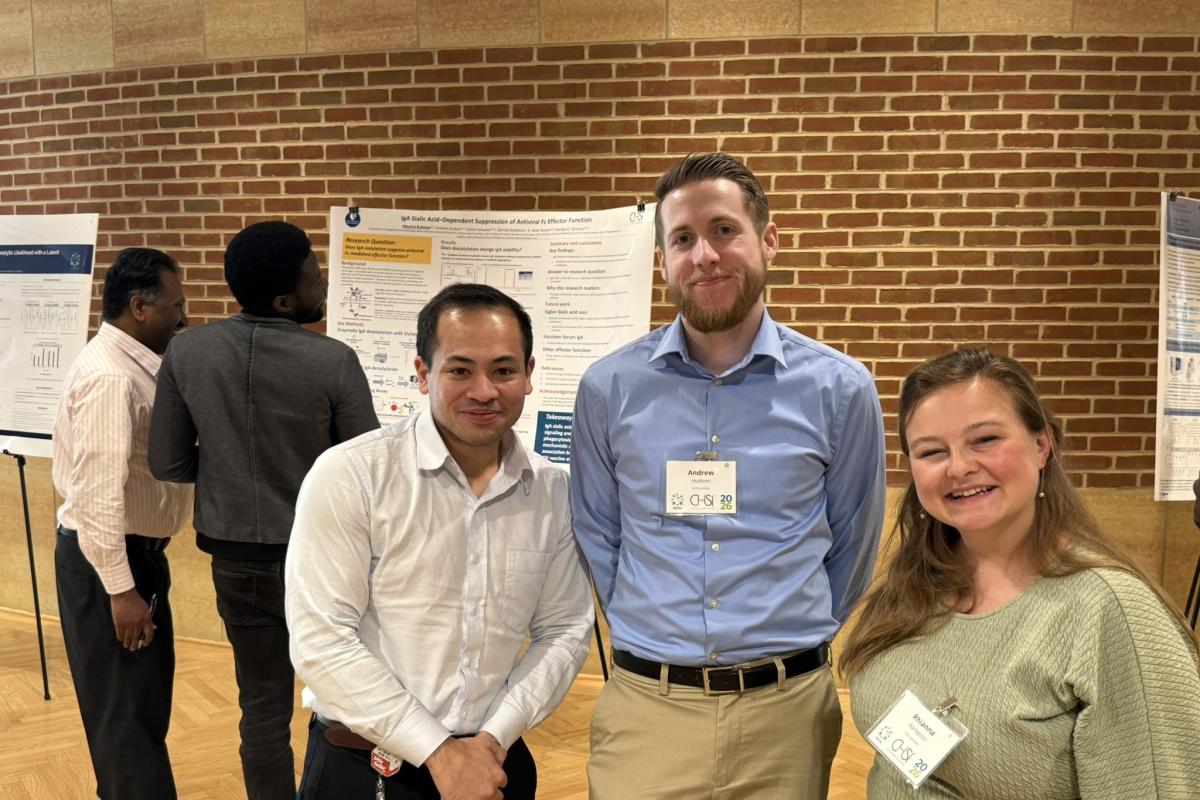
Michael Verdolin, Andrew Hudson and Rhianna Hampton attend the poster session. Hudson presented a poster.
1 of 5
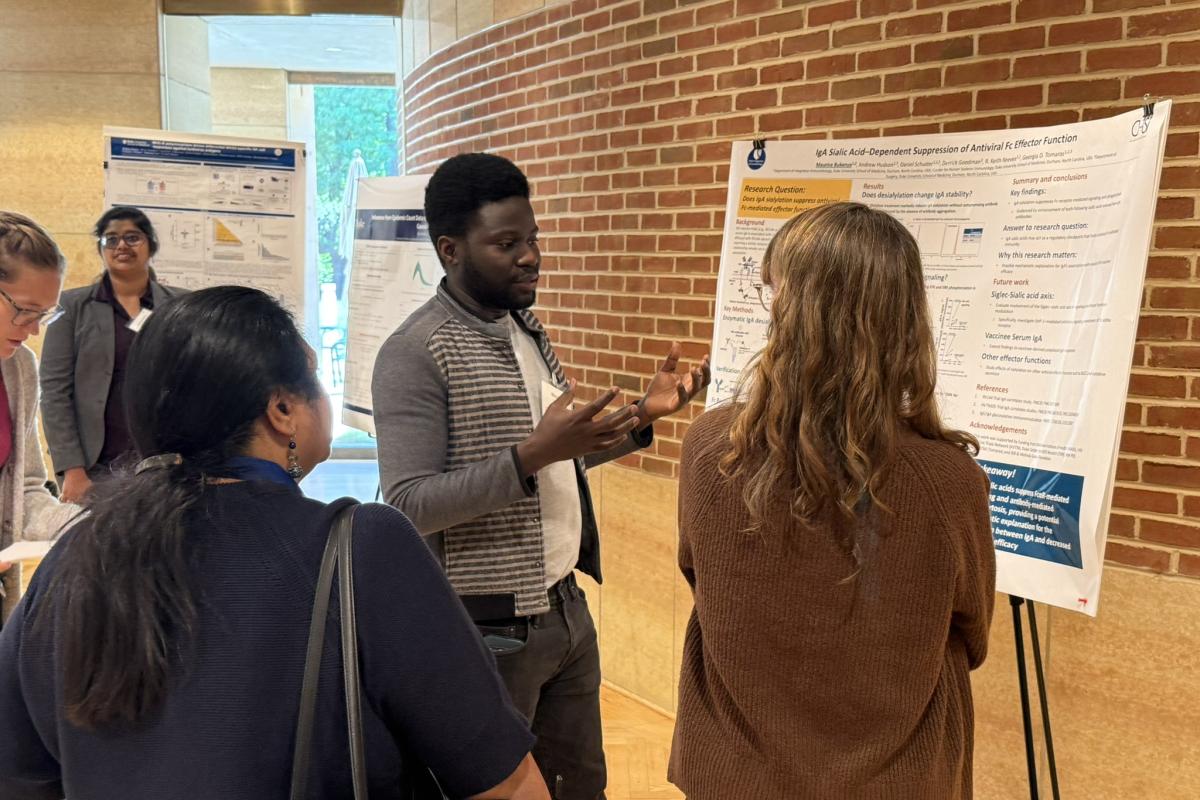
Poster session participant, Maurice Bukenya explains a poster to Kelly Seaton and another attendee.
1 of 5